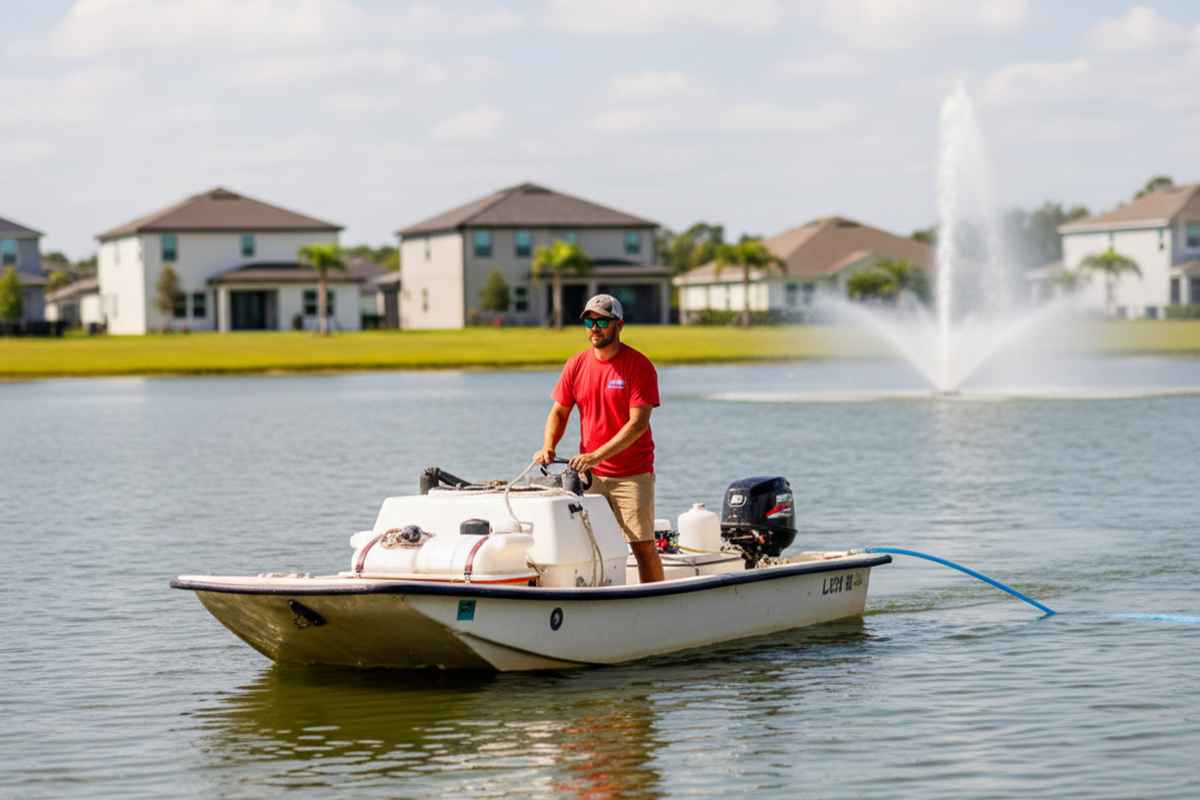
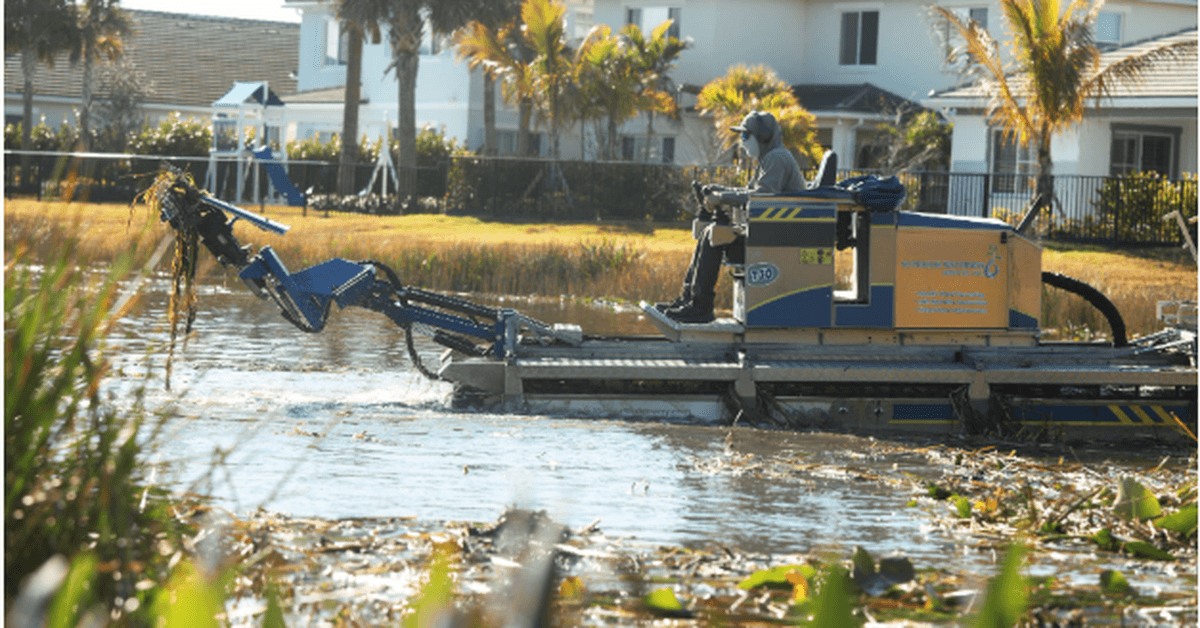

Algae and aquatic weeds control growth can affect the appearance, water quality, and overall condition of lakes and ponds. For Florida properties, changing weather conditions, rainfall, stormwater runoff, nutrient levels, and aquatic vegetation can all influence unwanted growth.
5 Effective Ways to Control Algae and Aquatic Weeds Control in Lakes and Ponds
Algae & Weed Growth Prevention provides a practical approach to managing these issues before they become more difficult to control. A well-planned management strategy can help maintain cleaner, healthier, and more attractive waterways
How Does Algae and Aquatic Weeds Control Growth Prevention Work?
Effective algae and aquatic weed management usually starts with understanding the condition of the water body rather than immediately addressing visible growth.
Step 1: Evaluate the Waterway
First, identify the current condition of the lake or pond.
Look for:
- Visible algae growth
- Aquatic weeds and unwanted vegetation
- Changes in water clarity
- Excessive vegetation around the shoreline
- Debris and organic material
- Possible sources of nutrient buildup
Step 2: Identify the Causes
The next step is understanding what may be contributing to excessive algae or aquatic weed growth.
Potential factors can include:
- Nutrient buildup
- Stormwater runoff
- Fertilizer entering the water
- Decaying organic material
- Seasonal weather conditions
- Poorly managed aquatic vegetation
Identifying contributing factors can help create a more effective management approach.
Step 3: Develop a Management Strategy
Once the main issues are identified, management can focus on the areas that require attention.
Depending on the property’s needs, this may involve:
- Aquatic vegetation management
- Algae control
- Nutrient management
- Water-quality maintenance
- Shoreline management
- Regular waterway inspections
The goal is to manage unwanted growth while maintaining the overall condition of the water environment.
Step 4: Monitor the Results
Algae and aquatic weed prevention is not necessarily a one-time process.
Regular monitoring helps determine whether management efforts are working and whether additional attention is needed.
Tracking algae growth, aquatic vegetation, water clarity, and shoreline conditions over time can provide useful information for adjusting the maintenance approach.
Step 5: Maintain the Waterway Regularly
Long-term algae and aquatic weed management requires consistent maintenance. Even after unwanted growth is addressed, changing water and environmental conditions can lead to new growth over time.
Why Local Conditions Matter
Lakes and ponds can respond differently depending on their surrounding environment.
Rainfall, temperature, stormwater, soil conditions, drainage, vegetation, and nutrient levels can all influence algae and aquatic weed growth.
This is particularly important in Florida, where warm weather, seasonal rainfall, stormwater runoff, and aquatic vegetation can create changing water-management conditions.
| Management Area | Common Issues | Why It Matters |
| Algae Management | Excessive algae, surface growth, changing water appearance | Helps maintain better-looking and more manageable water conditions |
| Aquatic Vegetation | Unwanted weeds, excessive plant growth, spreading vegetation | Helps prevent aquatic plants from becoming difficult to manage |
| Water Quality | Poor clarity, nutrient buildup, organic material | Supports healthier and more attractive water conditions |
| Shoreline Management | Overgrown edges, erosion, vegetation buildup | Helps maintain the condition of the shoreline and surrounding property |
| Stormwater & Runoff | Nutrients, debris, sediment entering the water | Helps reduce factors that can contribute to unwanted aquatic growth |
Creating a Long-Term Algae and Weed Management Plan
A successful algae and aquatic weed management strategy should look beyond the immediate problem.
A long-term approach can include:
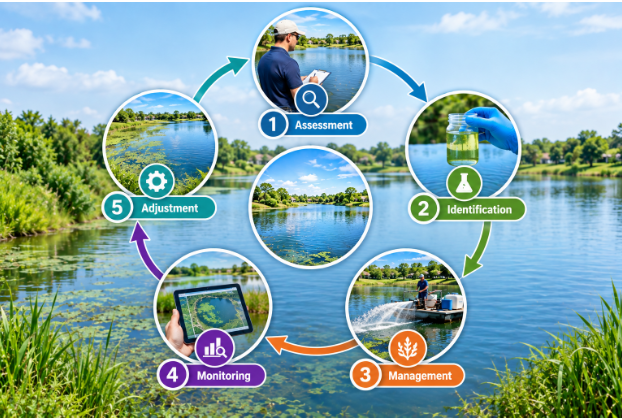
Assessment → Identification → Management → Monitoring → Adjustment
This process makes it easier to identify changes before algae or aquatic weeds become larger maintenance concerns.
Regular inspections can also help property owners understand how seasonal conditions and surrounding activities affect their lake or pond.
Why Choose Superior Waterway for Algae and Weed Growth Prevention?
Superior Waterway provides aquatic management services designed to support healthier and more attractive lakes and ponds throughout Florida. Its services include algae and weed growth prevention alongside aquatic vegetation control, water clarification, shoreline services, and other lake and pond management solutions.
Management approaches are developed around the individual needs and conditions of each property, helping address unwanted aquatic growth while supporting the long-term condition of the waterway.
Frequently Asked Questions
What causes algae and aquatic weed growth in lakes and ponds?
Algae and aquatic weed growth can be influenced by factors such as nutrient buildup, stormwater runoff, fertilizer, organic material, weather conditions, and surrounding vegetation.
Why is algae and weed growth prevention important?
Prevention can help reduce excessive aquatic growth and maintain the appearance, water quality, and overall condition of lakes and ponds.
How often should a lake or pond be monitored?
The appropriate maintenance schedule depends on the property’s conditions and management needs. Regular monitoring can help identify algae and aquatic weed growth before it becomes more difficult to manage.
Can professional management control existing aquatic weeds?
Yes. Professional aquatic management can help identify unwanted vegetation and develop an appropriate strategy for managing aquatic weeds based on the specific waterway.
Does algae prevention require managing the surrounding property?
It can. Conditions around a lake or pond, including stormwater runoff, drainage, shoreline vegetation, and nutrient sources, can influence water conditions and aquatic growth.
Can Superior Waterway help with both algae and aquatic weeds?
Yes. Superior Waterway provides algae and weed growth prevention as part of its aquatic management services and can develop management approaches based on individual property needs.