More Than Just a Shoreline
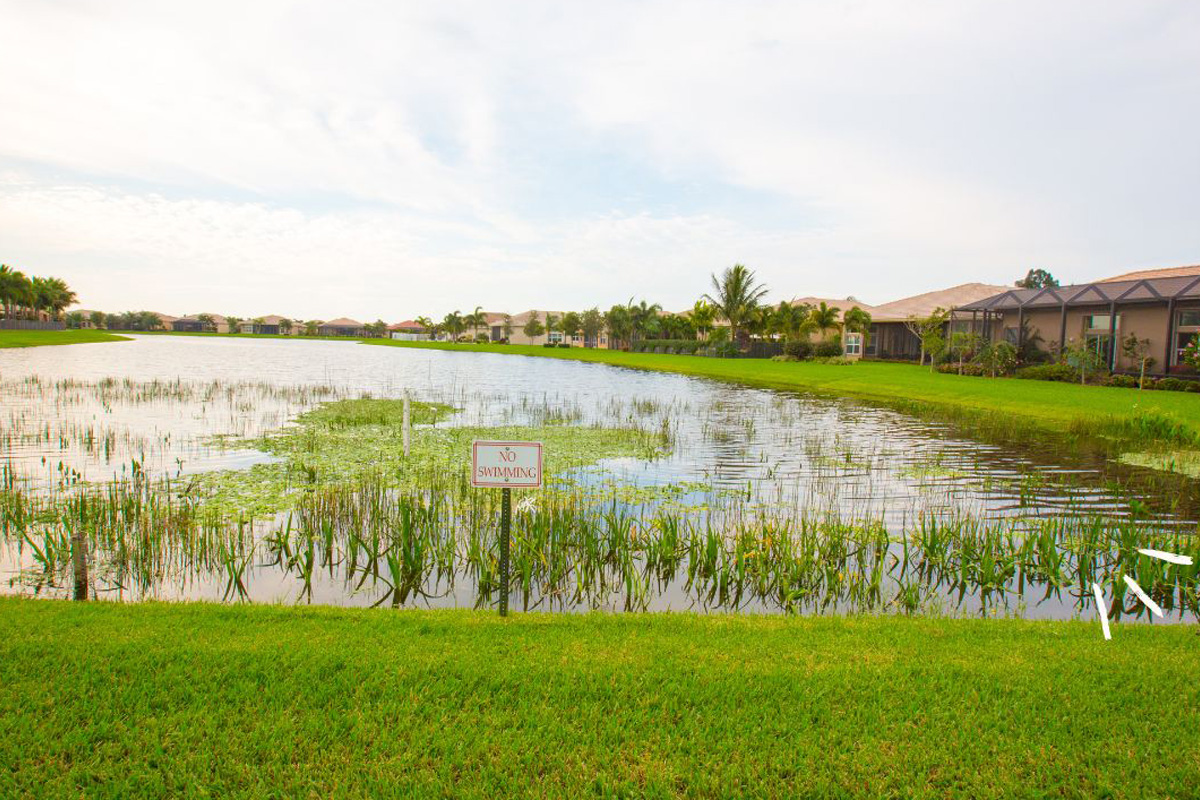
Lakes, ponds, and wetlands are more than attractive landscape features, they play a vital role in the health of our communities and the environment. One of the most important areas of any waterbody is the littoral zone, the gently sloped area where land and water meet. Often resembling a natural wetland, this zone is the most biologically active and productive part of a lake or pond.
The shallow waters of the littoral shelf support a wide range of fish, wildlife, and beneficial plants. With plenty of sunlight, submerged and emergent vegetation thrive here, creating habitat, improving water clarity, and boosting dissolved oxygen levels. When properly designed and maintained, a healthy littoral zone enhances visual appeal, promotes safety, and can even increase surrounding property values.
The Power of a Healthy Littoral Shelf
A diverse littoral shelf supports the entire aquatic ecosystem from the bottom up. These areas provide critical habitat not only for fish and wildlife, but also for beneficial bacteria, zooplankton, and microorganisms that form the foundation of the aquatic food web.
Littoral zones also act as a natural filtration system. During rainfall events, nutrients like phosphorus and nitrogen are captured by native plants before they can fuel nuisance algae and invasive weeds. This helps reduce murky water, unpleasant odors, stagnant conditions, and organic muck buildup—keeping your waterbody cleaner and more balanced.
Natural Protection Against Erosion
As the transition point between land and water, littoral zones are essential for shoreline stability. Native littoral plants develop deep root systems that anchor soil in place, reducing erosion and protecting against shoreline collapse and long-term water volume loss.
When installed along the shoreline, native flowering plants also attract beneficial insects and birds such as dragonflies, which help naturally control mosquitoes and midges. The result is a shoreline that’s not only stronger but more vibrant and alive.
Region-Specific Planting Solutions
The ideal littoral plants vary by region, climate, and waterbody conditions. In southern regions and throughout Florida, flowering species such as golden canna, passion vine, penstemon, and jewelweed are commonly used. In northern and northeastern areas, plants like cardinal flower, blue flag iris, swamp milkweed, and wild columbine often thrive.
At Superior Waterway Services, we evaluate each site individually to select the right native plants for long-term success and visual impact.
Protecting and Maintaining Littoral Zones
While littoral habitats are resilient, they are also sensitive to disruption from development, erosion, and recreational activity. Runoff containing fertilizers, pet waste, motor oil, grass clippings, and other pollutants can overwhelm these areas, leading to invasive plants, algae blooms, toxic cyanobacteria, and declining water quality.
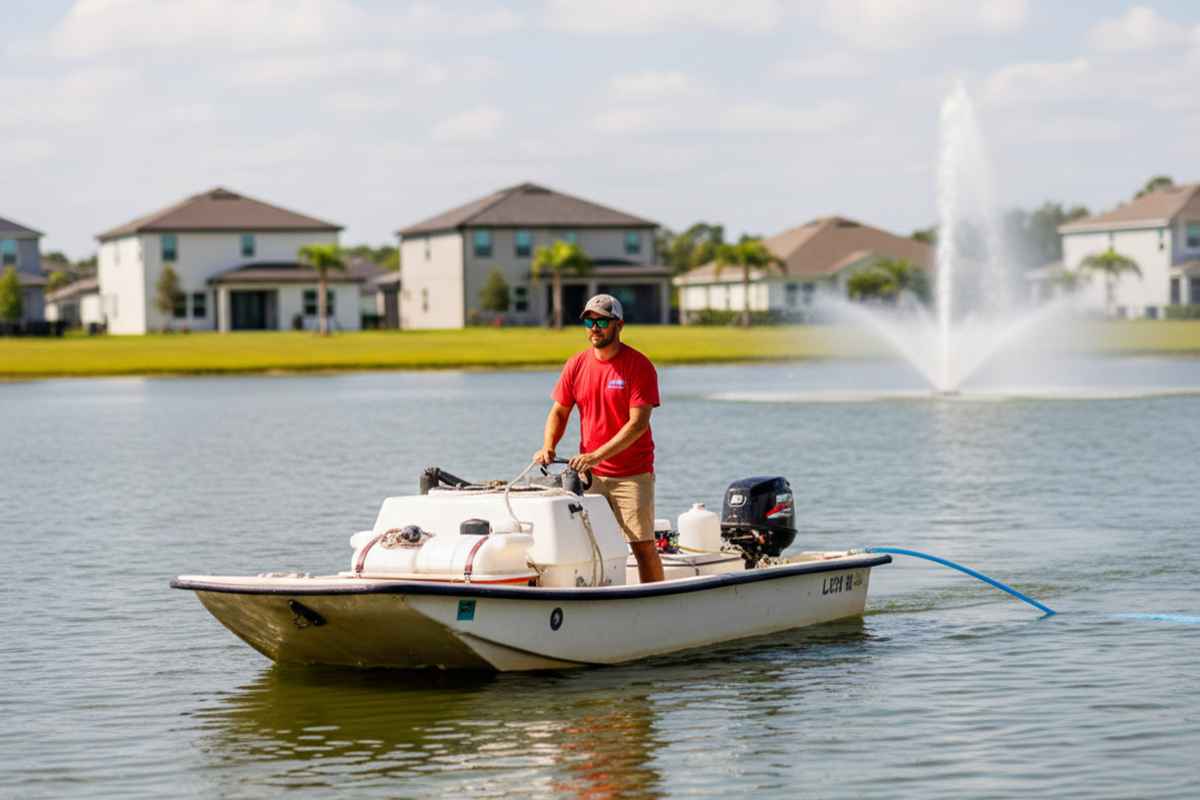
Proper maintenance and professional management are essential to preserving the health and function of littoral zones. Superior Waterway Services provides expert design, installation, and ongoing care to ensure these critical shoreline areas continue to protect and enhance your waterbody.